Here's why:
* Disinfection: This process eliminates most disease-causing microorganisms (pathogens) from inanimate surfaces. It doesn't necessarily kill all microorganisms, including resistant forms like spores.
* Sterilization: This is the complete elimination of all microorganisms, including spores, from a surface or object.
* Sporicidal: This specifically refers to a process that kills spores.
Examples of disinfection:
* Using bleach to clean a countertop
* Using hand sanitizer to kill germs on your hands
* Using UV light to disinfect hospital rooms
Examples of sterilization:
* Using an autoclave to sterilize surgical instruments
* Using radiation to sterilize medical equipment
Understanding spores:
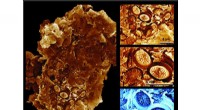
* Spores are highly resistant forms of bacteria that can survive harsh conditions like heat, chemicals, and radiation.
* Disinfection methods are not effective against spores, so sterilization is required when spores are a concern.