Cell specialization, also known as cell differentiation, is the process by which cells develop different structures and functions. This is essential for the complexity and efficiency of multicellular organisms. Imagine a single cell trying to perform all the tasks necessary for survival – it would be incredibly inefficient!
Levels of organization describe the hierarchical arrangement of cells and tissues within an organism. They illustrate how simple structures build upon each other to create increasingly complex systems. Let's break down these levels:
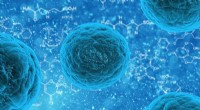
1. Cells: The basic unit of life, capable of carrying out all the functions necessary for survival.
2. Tissues: Groups of similar cells working together to perform a specific function. Examples include muscle tissue for movement, nervous tissue for communication, and epithelial tissue for covering surfaces.
3. Organs: Structures made up of different tissues that work together for a common purpose. For example, the heart is an organ made of muscle, nervous, and connective tissues to pump blood throughout the body.
4. Organ systems: Groups of organs that cooperate to carry out a major life function. The digestive system, composed of organs like the stomach, intestines, and liver, is responsible for breaking down food and absorbing nutrients.
5. Organism: A complete living being made up of multiple organ systems working together.
Here's how cell specialization and levels of organization are intertwined:
* Cell specialization enables the development of diverse tissues. Each type of cell, with its specific structure and function, contributes to the formation of tissues.
* Tissues work together to form organs, which perform more complex tasks. The specialized cells within a tissue contribute to the overall function of the organ.
* Organ systems are built upon the cooperation of multiple organs, enabling complex life functions. The specialized tissues and organs within a system work together to carry out a major life process.
* The entire organism is a result of the coordinated action of all its organ systems. The specialization of cells at the lowest level ultimately determines the complexity and abilities of the organism as a whole.
Example:
Imagine a human body. Muscle cells specialize in contraction, forming muscle tissue that allows movement. Nervous tissue, composed of specialized cells that transmit electrical signals, enables communication and coordination. These tissues work together to form organs like the heart and brain, which ultimately contribute to the functioning of the circulatory and nervous systems. These systems, along with others, form the human organism.
In summary:
* Cell specialization is the process by which cells develop unique structures and functions, enabling the formation of diverse tissues.
* Levels of organization illustrate the hierarchical arrangement of cells, tissues, organs, and organ systems, leading to the creation of a complete organism.
* These two concepts are interconnected, with cell specialization being the foundation for building complex, efficient, and multi-functional organisms.