Homeostasis is the ability of an organism to maintain a stable internal environment despite changes in the external environment. This includes regulating:
* Temperature: Maintaining a constant body temperature is essential for many metabolic processes.
* pH: Maintaining a stable pH balance is important for enzyme activity and cell function.
* Fluid balance: Maintaining proper hydration is crucial for cell function and transport.
* Nutrient levels: Maintaining appropriate levels of nutrients, such as glucose and oxygen, is necessary for energy production and cell growth.
* Waste removal: Removing waste products, such as carbon dioxide and ammonia, is essential for preventing toxicity.
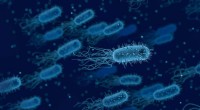
All living organisms, from single-celled bacteria to complex multicellular animals, must maintain homeostasis to survive. Even organisms with simple structures, like bacteria, have mechanisms to regulate their internal environment.
Examples of Homeostasis in Different Organisms:
* Bacteria: Maintain their internal pH by pumping out excess protons.
* Plants: Open and close stomata to regulate water loss and gas exchange.
* Animals: Sweat to cool down, shiver to warm up, and regulate blood sugar levels through hormones.
Conclusion:
Homeostasis is a fundamental characteristic of all living organisms. It is essential for maintaining life and allows organisms to adapt to changes in their environment.