Gene Cloning
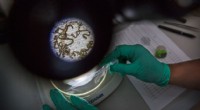
* What's cloned: A specific segment of DNA (a gene).
* Purpose: To produce multiple copies of a gene for research, medical applications (e.g., producing insulin), or genetic engineering (e.g., creating genetically modified organisms).
* Process:
* Isolation: The desired gene is isolated from a source organism.
* Insertion: The gene is inserted into a vector (e.g., a plasmid or virus) that can replicate inside a host cell.
* Replication: The vector carrying the gene is introduced into a host cell (e.g., bacteria), where it replicates, creating many copies of the gene.
* Outcome: Many copies of a specific gene, often in a different host organism.
* Ethics: Generally considered less ethically problematic than animal cloning, as it doesn't involve creating whole organisms.
Animal Cloning
* What's cloned: An entire organism.
* Purpose: Research, potential to produce desired traits (e.g., increased milk production in cows), or even bringing extinct species back to life (although this is still highly theoretical).
* Process:
* Somatic Cell Nuclear Transfer (SCNT): The nucleus (containing the genetic material) from a somatic cell (a body cell) of the donor animal is transferred into an enucleated egg cell (an egg cell with its nucleus removed).
* Development: The egg cell is stimulated to start dividing and develop into an embryo.
* Implantation: The embryo is implanted into a surrogate mother.
* Outcome: A genetically identical copy of the donor animal.
* Ethics: Raises significant ethical concerns, including:
* Animal welfare: Cloned animals often suffer from health problems.
* Genetic diversity: Cloning reduces genetic diversity, making populations more vulnerable to disease.
* Ethical implications: The idea of creating copies of living beings raises complex philosophical and moral questions.
In summary:
* Gene cloning focuses on replicating individual genes, while animal cloning focuses on replicating entire organisms.
* Gene cloning is typically used for research and medical applications, while animal cloning has a broader range of potential uses, but is also more ethically complex.
It's important to remember that both gene cloning and animal cloning are complex processes with a variety of potential benefits and ethical challenges. As these technologies continue to develop, it's crucial to have open and informed discussions about their applications and implications.