Animals:
* Birds: The royal palm's tall trunk and dense canopy provide nesting sites and roosting locations for numerous bird species, including parrots, woodpeckers, owls, and even migratory birds.
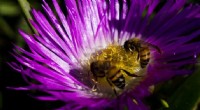
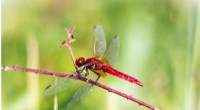
* Insects: The palm's flowers and fruits attract a wide range of insects, such as bees, wasps, beetles, and butterflies.
* Mammals: Small mammals like squirrels, opossums, and rodents may utilize the palm's trunk as a shelter or use its fruit as food.
* Reptiles: Lizards and snakes may inhabit the palm's trunk, seeking shelter and prey.
* Amphibians: Frogs and toads may use the palm's base or leaf axils as breeding grounds or temporary shelter.
Plants:
* Epiphytes: The royal palm's smooth trunk often serves as a substrate for epiphytes, including orchids, bromeliads, and ferns. These plants use the palm for support and access to light.
* Vines: Climbing plants and vines may utilize the palm's trunk as a support structure to reach higher areas for better light exposure.
Fungi:
* Mycorrhizae: These fungi form symbiotic relationships with the royal palm's roots, helping the tree to absorb nutrients from the soil.
Ecosystem Services:
* Shade: The royal palm's dense canopy provides shade for other plants and animals.
* Soil enrichment: As the palm's leaves decompose, they contribute organic matter to the soil, improving its fertility.
* Windbreak: The tall trunk can serve as a windbreak, protecting other plants from strong winds.
The presence of the royal palm significantly impacts the biodiversity and functionality of its ecosystem. It provides vital resources and habitat for a diverse array of organisms, highlighting its importance in the natural world.