1. Birth of Modern Biology:
* Foundation of the Cell Theory: The discovery of cells led to the development of the cell theory, a fundamental principle in biology stating that all living organisms are composed of cells. This unified understanding of life as being based on these basic units transformed biological research and laid the foundation for all subsequent advancements.
* Understanding Life Processes: The discovery of cells allowed scientists to study the intricate workings of life at a microscopic level, unraveling the mechanisms behind cellular processes like metabolism, reproduction, and heredity.
* New Fields of Study: The study of cells led to the birth of numerous specialized fields in biology, including cytology (the study of cells), histology (the study of tissues), and genetics.
2. Medicine and Healthcare:
* Disease Understanding and Treatment: Understanding cells at a microscopic level allowed scientists to identify the causes of many diseases and develop targeted treatments. This led to groundbreaking discoveries in areas like infectious disease, cancer research, and gene therapy.
* Diagnosis and Prognosis: Microscopes and cell-based techniques are now essential tools for diagnosing diseases and monitoring patient health.
* Drug Development and Research: Understanding cellular processes allows for the development of drugs that specifically target specific cell types or processes involved in disease.
* Tissue Engineering and Regeneration: Cell-based therapies and regenerative medicine are emerging fields that hold the potential to treat a wide range of conditions, including tissue damage and organ failure.
3. Agriculture and Food Production:
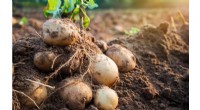
* Improved Crop Yields: Understanding cell processes in plants has led to advancements in crop breeding and genetic engineering, resulting in higher yields and more nutritious crops.
* Pest Control and Disease Resistance: Cell-based techniques are used to develop crops resistant to pests and diseases, minimizing losses in food production.
* Food Safety and Quality: Microscopic analysis of food ensures quality control and detects potential contamination.
4. Environmental Science:
* Understanding Ecosystems: Studying cells in different organisms allows us to understand complex interactions within ecosystems, including biodiversity and pollution impacts.
* Bioremediation and Environmental Cleanup: Cell-based techniques are being used to clean up environmental pollutants and restore damaged ecosystems.
5. Technology and Innovation:
* Microscopy and Imaging: The development of advanced microscopes and imaging techniques has allowed us to visualize cells in greater detail, revealing the intricacies of cellular structures and processes.
* Biotechnology and Genetic Engineering: Our understanding of cells has enabled the manipulation of genes and development of genetically modified organisms, with applications ranging from medicine to agriculture.
* Nanotechnology: The study of cells has inspired the development of nanotechnology, where materials are manipulated at the molecular level, opening up new possibilities in medicine, electronics, and energy.
In conclusion, the discovery of cells was a pivotal moment in scientific history, ushering in a new era of understanding life and impacting almost every aspect of our world. The impact of this discovery continues to unfold as scientific research delves deeper into the complexities of the cell, revealing new insights and unlocking further potential for innovation and improvement.