Here's a breakdown:
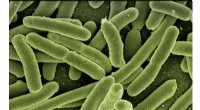
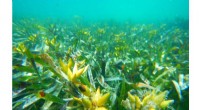
* Oceans: Phytoplankton, microscopic algae, are responsible for roughly 50% of the Earth's photosynthesis. They thrive in the sunlit upper layers of the ocean, converting sunlight into energy.
* Forests: Trees, with their vast leaf canopies, are the dominant photosynthetic organisms on land. Tropical rainforests, with their dense vegetation and high sunlight exposure, are particularly productive in this regard.
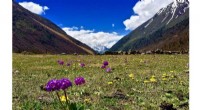
* Other Biomes: While less significant than oceans and forests, other biomes like grasslands, deserts, and tundra still contribute to the global photosynthetic process.
It's important to remember that even though oceans and forests are the primary locations of photosynthesis, all biomes play a crucial role in maintaining the Earth's delicate ecosystem balance.