Here's a breakdown:
* Heterotrophs: Organisms that cannot produce their own food (carbohydrates) through photosynthesis. They obtain energy and nutrients by consuming other organisms, either living or dead.
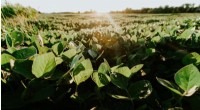
* Autotrophs: Organisms that can produce their own food through photosynthesis (like plants) or chemosynthesis.
Examples of heterotrophs include:
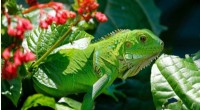
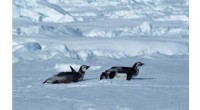
* Animals: All animals are heterotrophs, from the smallest insects to the largest whales.
* Fungi: Fungi obtain nutrients by absorbing them from dead organic matter.
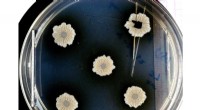
* Some bacteria: Many bacteria are heterotrophic, feeding on organic matter or other living organisms.
Let me know if you have any more questions!