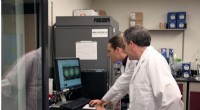
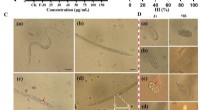
1. Microscopy: The invention of the microscope in the 17th century was a cornerstone. It allowed scientists to visualize cells and their components for the first time, paving the way for the discovery of chromosomes and their role in inheritance.
2. Genetics: The development of genetic techniques, such as DNA sequencing, revolutionized our ability to study genes. Polymerase Chain Reaction (PCR), which allows scientists to amplify specific DNA sequences, has been instrumental in genetic research and diagnostics.
3. Bioinformatics: The rise of computational biology and bioinformatics allowed for the analysis of massive datasets generated by sequencing technologies. This enabled scientists to identify genes associated with specific traits and diseases, understand evolutionary relationships, and develop new tools for personalized medicine.
4. CRISPR-Cas9 Gene Editing: This revolutionary gene editing technology allows scientists to make precise changes to DNA sequences. It has opened up unprecedented possibilities for studying gene function, developing gene therapies, and understanding the mechanisms of inheritance.
5. Single-Cell Sequencing: This technology allows scientists to analyze the genome of individual cells, revealing the heterogeneity of cells within a population and providing insights into the dynamics of cell division and differentiation.
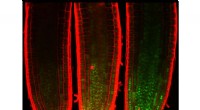
6. Imaging Techniques: Advanced imaging techniques like fluorescence microscopy and electron microscopy have allowed scientists to visualize the intricate processes of cell division, chromosome segregation, and DNA replication.
7. Artificial Intelligence (AI): AI is increasingly being applied to analyze genetic data, leading to breakthroughs in understanding complex genetic diseases and identifying novel drug targets.
Beyond the technologies themselves:
* Collaboration and scientific exchange: Sharing data and ideas between researchers worldwide has been crucial for accelerating progress.
* Ethical considerations: Ethical discussions and guidelines have ensured responsible use of these powerful technologies.
In conclusion, while each technology has contributed in its own way, the advancements in our understanding of inheritance are the result of a continuous interplay between these technologies, scientific inquiry, and collaboration.