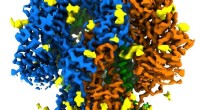
* Membrane transport proteins: These are embedded in cell membranes and facilitate the movement of molecules across the membrane.
* Channel proteins: Create hydrophilic pores through the membrane, allowing specific molecules to pass through passively (down their concentration gradient).
* Carrier proteins: Bind to specific molecules and undergo conformational changes to move them across the membrane, sometimes requiring energy.
* Blood proteins: These proteins circulate in the blood and transport various substances throughout the body.
* Hemoglobin: Carries oxygen from the lungs to the tissues.
* Albumin: Transports fatty acids, hormones, and other substances in the blood.
* Transferrin: Carries iron in the blood.
* Intracellular transport proteins: These proteins transport molecules within the cell.
* Chaperone proteins: Help fold other proteins and transport them to their correct locations.
* Motor proteins: Move along cytoskeletal filaments, carrying cargo like organelles or vesicles.
Ultimately, the specific type of transport protein will depend on the specific molecule being transported and the location of transport.