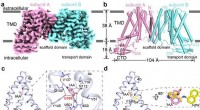
* Proteins: Amino acids are the building blocks of proteins. There are 20 different amino acids that can be combined in various sequences to create a vast array of proteins.
* Carbohydrates: Monosaccharides (simple sugars) are the building blocks of carbohydrates. Common monosaccharides include glucose, fructose, and galactose. They can be linked together to form disaccharides (like sucrose) or polysaccharides (like starch and cellulose).
* Nucleic Acids: Nucleotides are the building blocks of nucleic acids, such as DNA and RNA. Each nucleotide consists of a sugar molecule, a phosphate group, and a nitrogenous base. There are five main nitrogenous bases: adenine (A), guanine (G), cytosine (C), thymine (T), and uracil (U).
* Lipids: Fatty acids and glycerol are the primary building blocks of many lipids, including fats and oils. Triglycerides, the most common type of fat, are formed by combining three fatty acid molecules with a glycerol molecule. Other lipids, like phospholipids, have different structures but still utilize fatty acids as a key component.
Let me know if you would like more detail on any of these building blocks!