* Growth: Cells increase in size and produce more organelles.
* Differentiation: Cells specialize to perform specific functions.
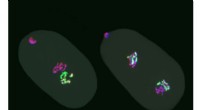
* Division: Cells replicate themselves through mitosis.
* Apoptosis: Programmed cell death, where the cell breaks down in a controlled way.
Why cells don't grow forever:
* Resource limitations: Cells need nutrients and space to grow. These resources are limited, and eventually, a cell can't get enough to sustain continued growth.
* DNA damage: Cells are constantly exposed to damaging agents like radiation and toxins. This damage accumulates over time and can lead to mutations that disrupt normal cell function.
* Telomere shortening: Telomeres are protective caps at the ends of chromosomes. With each cell division, telomeres shorten. Once they become too short, the cell can no longer divide and is eventually destroyed.
* Cellular senescence: This is a state of irreversible growth arrest where cells are still alive but no longer dividing. This can happen due to a variety of factors, including telomere shortening, DNA damage, and stress.
Exceptions:
* Cancer cells: Cancer cells have escaped the normal controls on cell growth and can continue to divide indefinitely. They often have mutations that allow them to bypass checkpoints that would normally stop cell division.
* Stem cells: Stem cells are specialized cells that can divide and differentiate into various cell types. Some stem cells can theoretically divide indefinitely, but this is under strict regulation and can be affected by factors like age and environment.
In summary, cells do not grow forever because they are limited by resources, DNA damage, telomere shortening, and cellular senescence. These limitations help maintain the integrity and health of the organism.