Here's a breakdown of key aspects:
* It's a complex system: The biosphere is a dynamic and interconnected system. Living organisms constantly interact with each other and their surroundings, influencing and being influenced by the physical and chemical environment.
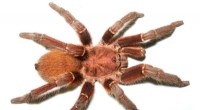
* It encompasses all life: From microscopic bacteria to giant redwood trees, all living things are part of the biosphere. This includes plants, animals, fungi, bacteria, and all other forms of life.
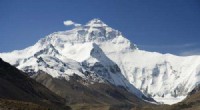
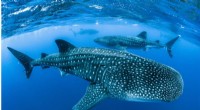
* It extends across different environments: The biosphere includes all ecosystems, from the depths of the ocean to the tops of mountains, from the scorching deserts to the frozen polar regions.
* It's a vital part of Earth's system: The biosphere plays a crucial role in regulating Earth's climate, cycling nutrients, and providing essential resources for all life.
Here are some examples of how different parts of the biosphere interact:
* Plants use sunlight, water, and carbon dioxide to produce food through photosynthesis, releasing oxygen into the atmosphere.
* Animals breathe oxygen and consume plants or other animals, releasing carbon dioxide into the atmosphere.
* Decomposers break down dead organisms, returning nutrients to the soil, which plants can then use.
Understanding the biosphere is crucial for addressing global challenges such as climate change, biodiversity loss, and pollution. By studying and protecting this complex system, we can ensure a healthy planet for future generations.