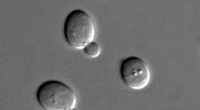
* Reproduction: For single-celled organisms, cell division IS reproduction. When a single-celled organism divides, it creates two new identical organisms. This is how they increase their population.
* Growth: Since they are only one cell, the only way a single-celled organism can get bigger is by increasing the size of that single cell. This is done through cell division, as the organism grows and divides, it essentially grows bigger.
* Repair: If a single-celled organism gets damaged, it can use cell division to repair the damage and regenerate lost parts.
* Adaptation: While individual single-celled organisms don't evolve in the way multicellular organisms do, cell division can lead to changes in their genetic material (mutations). These mutations can occasionally provide a selective advantage in their environment, leading to a higher chance of survival and reproduction, effectively driving the evolution of the species.
Examples:
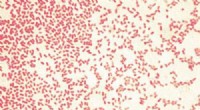
* Bacteria: Bacteria reproduce through binary fission, a simple form of cell division where one cell splits into two.
* Amoeba: These protozoans use mitosis, a more complex form of cell division, to reproduce and grow.
In essence, cell division is the fundamental process that allows single-celled organisms to exist, reproduce, and thrive.