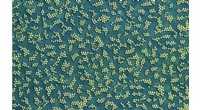
1. Unveiling the Invisible World: Before the microscope, organisms were categorized based on their macroscopic features, visible to the naked eye. The microscope allowed scientists to see the microscopic world, revealing intricate structures and details previously unknown. This led to the discovery of single-celled organisms, bacteria, and other microscopic life forms that were previously unseen.
2. Identifying Internal Structures: The microscope allowed scientists to observe internal structures like cell organelles, tissues, and organs. This helped in understanding the complexities of life and providing new insights into the relationships between different species. For instance, the discovery of chloroplasts in plants and mitochondria in animals helped to understand their roles in photosynthesis and cellular respiration, respectively.
3. Differentiating Similar Organisms: Many organisms that appear similar at the macroscopic level were found to be vastly different when viewed under a microscope. This led to the discovery of new species and the re-classification of existing ones based on their microscopic characteristics.
4. Defining New Taxonomical Groups: The microscope helped in the identification of new taxonomical groups based on the presence or absence of specific microscopic features. This led to the creation of new categories like protists and bacteria, which were previously lumped with plants and animals.
5. Understanding Evolutionary Relationships: The microscope helped to reveal similarities and differences in the microscopic structures of organisms, providing evidence for their evolutionary relationships. For example, the discovery of common cellular structures like ribosomes and DNA across different organisms supported the theory of common ancestry.
Examples:
* Protists: The discovery of protists, a diverse group of single-celled organisms, was entirely due to the microscope.
* Bacteria: The microscope allowed the discovery and classification of bacteria, leading to the establishment of the kingdom Monera.
* Plant and Animal Cells: Observing the different cell structures of plants and animals, like cell walls and chloroplasts in plants, allowed scientists to differentiate these two kingdoms.
In conclusion, the microscope was instrumental in revolutionizing our understanding of life and led to a more accurate and refined system of classifying organisms. It allowed scientists to see beyond the surface and delve into the microscopic world, revealing a whole new level of complexity and diversity in living organisms.