Here's why the statement is incorrect:
* DNA is essential for life: DNA contains the blueprint for all the proteins and structures that make up an organism. It's how organisms pass on their traits to their offspring.
* Plant cells have a nucleus: Like animal cells, plant cells have a nucleus where their DNA is stored.
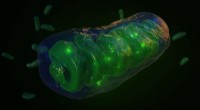
* Plant cells have chloroplasts: These organelles contain their own DNA, which is separate from the DNA in the nucleus.
Key Differences:
While both plant and animal cells have DNA, there are some key differences between them:
* Cell wall: Plant cells have a rigid cell wall made of cellulose, which provides structure and support. Animal cells lack this.
* Chloroplasts: Plant cells contain chloroplasts, which are responsible for photosynthesis. Animal cells do not have chloroplasts.
* Vacuoles: Plant cells have a large central vacuole that stores water and nutrients. Animal cells have smaller vacuoles.
In summary: Plant cells and animal cells both contain DNA and are very similar in their basic structure. The differences lie in the presence of certain organelles and other structural features.