* Nucleus: The control center of the cell, containing the genetic material (DNA). It directs the cell's activities.
* Ribosomes: Tiny factories that produce proteins, following instructions from the DNA.
* Mitochondria: Powerhouses of the cell, responsible for generating energy (ATP) through cellular respiration.
* Endoplasmic reticulum (ER): A network of interconnected membranes involved in protein synthesis, folding, and transport.
* Golgi apparatus: A stack of flattened sacs that process and package proteins and lipids for transport within or outside the cell.
* Lysosomes: Recycling centers of the cell, containing enzymes that break down waste materials and worn-out organelles.
* Vacuoles: Storage compartments for water, nutrients, and waste products.
* Centrioles: Involved in cell division, helping to organize microtubules.
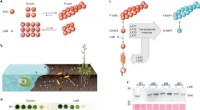
* Chloroplasts: Found only in plant cells, these organelles capture sunlight and convert it into energy through photosynthesis.
This is just a small selection of the many organelles found in cells. Each plays a vital role in keeping the cell alive and functioning.