Biotic factors are all the living components of an ecosystem. These include:
1. Producers: These are organisms that create their own food through photosynthesis. They form the base of the food chain and include:
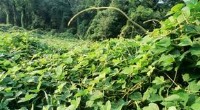
* Plants: Trees, shrubs, grasses, flowers, etc.
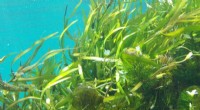
* Algae: Phytoplankton and seaweed.
* Bacteria: Some types of bacteria can produce energy through chemosynthesis.
2. Consumers: These are organisms that rely on other organisms for their food. They can be further classified as:
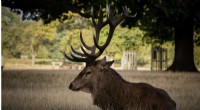
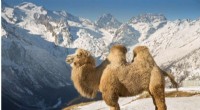
* Herbivores: Animals that eat plants.
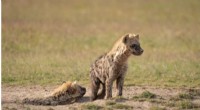
* Carnivores: Animals that eat other animals.
* Omnivores: Animals that eat both plants and animals.
* Decomposers: Organisms that break down dead organic matter. This includes:
* Bacteria: Play a crucial role in decomposition.
* Fungi: Break down dead wood and leaves.
3. Interrelationships between organisms: The interactions between different living organisms within an ecosystem are crucial for its functioning. These include:
* Competition: Organisms compete for resources such as food, water, space, and mates.
* Predation: One organism (predator) kills and eats another organism (prey).
* Parasitism: One organism (parasite) benefits at the expense of another organism (host).
* Mutualism: Both organisms benefit from the interaction.
* Commensalism: One organism benefits from the interaction while the other is neither harmed nor helped.
Examples of biotic factors in different ecosystems:
* Forest: Trees, birds, insects, mammals, fungi, bacteria.
* Ocean: Fish, coral reefs, algae, whales, sharks, plankton.
* Grassland: Grasses, herbivores, predators, insects, rodents.
* Desert: Cacti, reptiles, rodents, insects, birds.
Importance of biotic factors:
* They form complex food webs and ecosystems.
* They influence the availability of resources for other organisms.
* They contribute to the cycling of nutrients in the ecosystem.
* They contribute to the stability and resilience of the ecosystem.
Understanding the biotic factors of an ecosystem is crucial for understanding how ecosystems function and how they are affected by human activities.