Key Features of Prokaryotic Cells:
* Simple Structure: Prokaryotic cells are the simplest type of cell. They lack a nucleus and other membrane-bound organelles.
* Small Size: They are typically much smaller than eukaryotic cells, ranging from 0.1 to 10 micrometers in diameter.
* Genetic Material: Their DNA is located in a region called the nucleoid, which isn't enclosed by a membrane.
* Ribosomes: They have ribosomes, but these are smaller than those found in eukaryotic cells.
* Cell Wall: Most prokaryotes have a rigid cell wall that provides structural support and protection.
* Plasma Membrane: They have a cell membrane (plasma membrane) that encloses the cell and regulates the passage of molecules.
* Flagella: Some prokaryotes have flagella, whip-like structures that aid in movement.
* Pili: Some prokaryotes have pili, hair-like appendages used for attachment and sometimes for transferring DNA.
Examples of Prokaryotes:
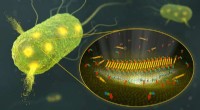
* Bacteria: These are the most common type of prokaryote, found in diverse environments.
* Archaea: These are single-celled organisms that were originally classified as bacteria but are now considered distinct. They often live in extreme environments.
Key Differences from Eukaryotic Cells:
* Nucleus: Prokaryotes lack a true nucleus.
* Organelles: Prokaryotes do not have membrane-bound organelles like mitochondria, Golgi apparatus, or endoplasmic reticulum.
* DNA Structure: Prokaryotic DNA is typically circular, while eukaryotic DNA is linear.
In a Nutshell: Prokaryotic cells are small, simple cells that lack a nucleus and other internal membrane-bound compartments. They are incredibly diverse and play essential roles in ecosystems around the world.