Here's a breakdown of the process:
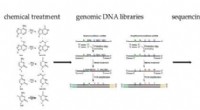
* Preparation: Bacterial cells are treated to make them competent, meaning they are more likely to take up foreign DNA. This can be done through methods like chemical treatment, heat shock, or electroporation.
* Introduction of DNA: The foreign DNA is introduced into the competent cells. This can be done by mixing the DNA with the cells, or using methods like electroporation to force the DNA into the cells.
* Integration: The foreign DNA may integrate into the bacterial chromosome or exist as a separate plasmid.
* Selection: Cells that have successfully incorporated the foreign DNA are selected using antibiotic resistance or other markers.
Transformation is a crucial technique in biotechnology and molecular biology, allowing scientists to:
* Study gene function: By introducing specific genes, researchers can observe their effects on the cell.
* Produce proteins: Bacteria can be engineered to produce specific proteins of interest, used in pharmaceuticals, diagnostics, and other applications.
* Modify organisms: This technique can be used to improve traits in organisms like crops and livestock.
There are other methods of introducing foreign DNA into bacteria, such as:
* Transduction: Using a virus to transfer DNA.
* Conjugation: Direct transfer of DNA from one bacterium to another.
But transformation remains a widely used and versatile technique in genetic engineering.