1. Cell Wall Composition:
* Bacteria: Have peptidoglycan in their cell walls, a unique polymer not found in other organisms.
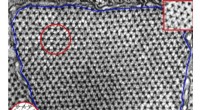
* Archaea: Lack peptidoglycan and have diverse cell wall compositions, often featuring pseudopeptidoglycan, protein, or S-layers.
2. Membrane Structure:
* Bacteria: Have fatty acids linked to glycerol by ester bonds in their cell membranes.
* Archaea: Have branched hydrocarbons linked to glycerol by ether bonds in their cell membranes. This structure provides increased stability in extreme environments.
3. Gene Structure and Expression:
* Bacteria: Genes are organized into operons, where multiple genes are transcribed as a single mRNA molecule.
* Archaea: Have gene organization more similar to eukaryotes, with individual genes transcribed separately.
4. Metabolic Pathways:
* Archaea: Exhibit diverse metabolic pathways, including unique ones like methanogenesis (producing methane) that are not found in bacteria.
* Bacteria: Have a wider range of metabolic pathways overall, but lack some unique pathways found in archaea.
5. Genetic Machinery:
* Archaea: Have a unique set of transcription and translation machinery that is more similar to eukaryotes than bacteria.
6. Evolutionary History:
* Archaea: Evolved independently from bacteria, sharing a common ancestor with eukaryotes.
* Bacteria: Evolved independently from archaea and eukaryotes.
7. Habitat:
* Archaea: Known for thriving in extreme environments like hot springs, salt lakes, and deep-sea vents, often being extremophiles.
* Bacteria: Found in a wider range of habitats, including soil, water, and the human body.
In summary: Although archaea and bacteria are both prokaryotes (lacking a nucleus), they have significant differences in their biochemistry, genetics, and evolutionary history, justifying their classification as separate domains. This distinction reflects the vast diversity and complexity of life on Earth.