Here's a breakdown of the key components:
* Descent with modification: All living things share a common ancestor, and over generations, they accumulate changes in their traits. These changes can be small, like a slightly longer beak or a thicker fur coat, but over vast periods, they can lead to the development of entirely new species.
* Natural selection: The environment poses challenges, and individuals with traits that help them overcome those challenges are more likely to survive and reproduce. This means they pass on their beneficial traits to their offspring, who are also more likely to survive and reproduce. Over time, this process can lead to the evolution of new species adapted to their specific environments.
* Variation: Individuals within a population are not all identical. They have different traits, some of which may be more advantageous in a given environment than others. This variation is essential for natural selection to operate.
* Inheritance: Traits are passed down from parents to offspring. This is the mechanism by which beneficial traits become more common in a population over time.
* Time: Evolution is a gradual process that occurs over long periods of time. Even small changes in traits can have a significant impact on the evolution of a species over millions of years.
Evidence for Evolution:
There is a vast body of evidence supporting the theory of evolution, including:
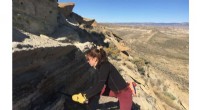
* Fossil record: Fossils document the gradual changes in life forms over millions of years.
* DNA analysis: Comparing the DNA of different species reveals their shared ancestry and the genetic changes that have occurred during evolution.
* Anatomical similarities: Species with a common ancestor often share similar anatomical structures, even if those structures have different functions.
* Biogeography: The distribution of species across the globe reflects their evolutionary history and the movement of continents.
Understanding of Evolution:
Evolutionary theory is a cornerstone of modern biology and is essential for understanding the diversity of life on Earth. It provides a framework for explaining how new species arise, how species adapt to their environments, and how life has changed over time.