Here's why:
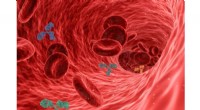
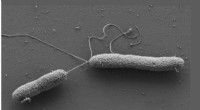
* Infectious diseases are caused by pathogens: These are microorganisms like bacteria, viruses, fungi, or parasites that invade the body and cause illness.
* Genes carry genetic information: They determine traits like eye color, hair color, and susceptibility to certain diseases.
* Infectious agents are not part of the genetic code: They are external to the body and not encoded within a person's DNA.
How infectious diseases are spread:
* Direct contact: Touching an infected person or their bodily fluids.
* Indirect contact: Contact with contaminated surfaces or objects.
* Airborne transmission: Breathing in droplets from an infected person's cough or sneeze.
* Vector-borne transmission: Being bitten by an infected insect or animal.
While genes can influence your susceptibility to certain infectious diseases, they cannot directly transmit the pathogen itself. For example, some people may have a genetic predisposition to weakened immune systems, making them more vulnerable to infections. However, they don't inherit the virus or bacteria itself.
In summary: Infectious diseases are caused by external pathogens and are spread through various means, not through genetic inheritance.