Here's a breakdown:
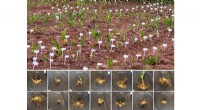
* Primary succession: This is the ecological process where life gradually establishes itself in an environment previously devoid of life. Think of a newly formed volcanic island or a glacier retreating and exposing bare rock.
* Pioneer species: These are the first organisms to colonize such barren environments. They are typically hardy and have adaptations to survive in harsh conditions.
* Examples of pioneer species: Lichens, mosses, and certain types of bacteria are common examples. They can break down rocks, creating soil, which allows for other plants to eventually take root.
So, the first organism to colonize a newly formed lifeless habitat is a pioneer species. They play a crucial role in initiating the process of primary succession, which ultimately leads to the development of a more complex and diverse ecosystem.