Structural Support and Movement:
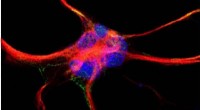
* Cytoskeleton: Proteins like actin and tubulin form the structural framework of the cell, giving it shape and allowing it to move and change shape.
* Muscle Contraction: Proteins like actin and myosin are responsible for muscle contraction, enabling movement.
* Connective Tissues: Proteins like collagen and elastin provide strength and elasticity to connective tissues like tendons and ligaments.
Enzymes:
* Catalyzing Reactions: Enzymes are proteins that accelerate chemical reactions within the cell, essential for processes like digestion, energy production, and DNA replication.
Transport and Communication:
* Membrane Transport: Proteins embedded in cell membranes act as channels and pumps to transport molecules across the membrane, regulating what enters and leaves the cell.
* Hormones: Many hormones are proteins that act as chemical messengers, coordinating activities between different cells and tissues.
* Receptors: Proteins on cell surfaces bind to signaling molecules, triggering specific cellular responses.
Storage and Protection:
* Storage: Proteins like casein in milk and albumin in eggs store nutrients.
* Antibodies: Immune system proteins like antibodies defend against pathogens by recognizing and neutralizing them.
Regulation and Control:
* Transcription Factors: Proteins that regulate gene expression, controlling which genes are turned on or off.
* DNA Replication and Repair: Proteins involved in the copying and repair of DNA, ensuring the integrity of the genetic code.
Other Functions:
* Blood Clotting: Proteins like fibrinogen are essential for blood clotting.
* Growth and Development: Proteins are involved in cell growth, differentiation, and development.
In short, proteins are vital for nearly every aspect of cellular function, making them indispensable for life.