* Organic Molecules:
* Proteins: These are essential for structure, function, and regulation. They form enzymes, hormones, and structural components.
* Carbohydrates: These provide energy and structural support. They can be simple sugars or complex polymers like starch or cellulose.
* Lipids (fats): These store energy, form membranes, and provide insulation.
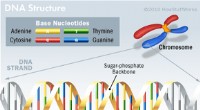
* Nucleic Acids (DNA and RNA): These carry genetic information and guide protein synthesis.
* Water: This is the primary solvent in cells and is essential for many cellular processes.
* Inorganic Ions: These are minerals like sodium, potassium, calcium, and magnesium. They play vital roles in cell function, like maintaining osmotic balance and nerve transmission.
Specifics vary depending on the microorganism:
* Bacteria: Have a cell wall made of peptidoglycan, which provides structural support. They also have a plasma membrane, cytoplasm, ribosomes, and DNA.
* Viruses: These are non-living entities and lack a cell structure. They consist of genetic material (DNA or RNA) encased in a protein coat called a capsid. Some viruses also have an outer envelope derived from the host cell.
* Fungi: These are eukaryotic organisms that can be unicellular (yeasts) or multicellular (molds). They have cell walls made of chitin, a tough, rigid polymer.
* Protozoa: These are single-celled eukaryotic organisms. They have a cell membrane, cytoplasm, a nucleus, and other organelles like mitochondria, Golgi apparatus, and endoplasmic reticulum.
In summary, microorganisms are composed of the same basic building blocks as larger organisms, but their specific structures and components vary depending on their type and function.