Here's a breakdown:
Helpful Algae:
* Food source: Algae are a primary food source for many aquatic animals and are even cultivated for human consumption (e.g., spirulina and chlorella).
* Biofuel: Some algae species can be used to produce biofuels, offering a renewable energy source.
* Oxygen production: Algae play a crucial role in the Earth's oxygen cycle, producing a significant portion of the oxygen we breathe.
* Water quality: Certain algae species help clean water by absorbing pollutants and improving water clarity.
Harmful Algae:
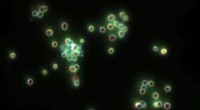
* Harmful algal blooms (HABs): When certain types of algae multiply rapidly, they can form harmful algal blooms. These blooms can release toxins that harm marine life, contaminate drinking water, and cause illness in humans.
* Red tides: A specific type of HAB caused by dinoflagellates, red tides can produce toxins that can kill fish and shellfish and even cause respiratory problems in humans.
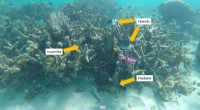
* Competition with other organisms: Overgrowth of algae can outcompete other aquatic plants and animals for resources, disrupting the ecosystem.
Important Note: Not all algae are harmful. In fact, the vast majority are beneficial. However, it's crucial to understand the potential risks associated with some types of algae, especially when dealing with aquatic environments.