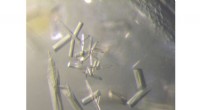
Prokaryotic cells typically range in size from 0.1 to 10 micrometers (µm) in diameter.
Eukaryotic cells are generally much larger, ranging from 10 to 100 µm in diameter.
Reasons for the size difference:
* Lack of membrane-bound organelles: Prokaryotic cells lack the complex internal membrane systems and organelles found in eukaryotic cells, which contributes to their smaller size.
* Simpler structure: Prokaryotic cells have a simpler overall structure compared to eukaryotic cells.
* Surface area to volume ratio: Prokaryotic cells have a higher surface area to volume ratio than eukaryotic cells, which allows for efficient nutrient uptake and waste removal.
Examples:
* Prokaryotic: Bacteria, archaea
* Eukaryotic: Plants, animals, fungi, protists
Conclusion:
The smaller size of prokaryotic cells is a significant feature that distinguishes them from eukaryotic cells. This difference in size is related to their structural complexity and the absence of internal membrane-bound organelles.