Here's a breakdown:
* Adaptation: Any trait that helps an organism survive and reproduce in its environment.
* Physiological Adaptation: Changes in the internal workings of an organism's body to help it cope with its environment.
Here are some examples of physiological adaptations:
* Thermoregulation: Animals in cold climates have thicker fur or blubber to conserve heat, while animals in hot climates have thinner fur and sweat glands for cooling.
* Water Conservation: Desert animals have specialized kidneys to conserve water and produce concentrated urine.
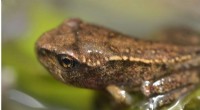
* Camouflage: Many animals have the ability to change their skin color or patterns to blend in with their surroundings, making them less visible to predators or prey.
* Poison Production: Some animals produce toxins to defend themselves against predators.
* Hibernation and Estivation: Animals in cold or hot climates may enter a state of dormancy to conserve energy during unfavorable conditions.
Key Points:
* Physiological adaptations are often invisible to the naked eye.
* They are internal changes that affect the organism's metabolism, physiology, and biochemistry.
* They can develop over generations through natural selection, where individuals with favorable adaptations are more likely to survive and reproduce.
Let me know if you'd like to explore specific examples of physiological adaptations in more detail!