Here's a breakdown:
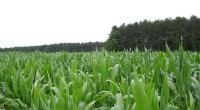
* Autotrophs: These organisms are self-feeders. They produce their own organic compounds (like sugars) from inorganic substances using energy from the sun (photosynthesis) or from chemical reactions (chemosynthesis). Examples include plants, algae, and some bacteria.
* Heterotrophs: These organisms rely on other organisms for food. They consume organic compounds produced by autotrophs to obtain energy. Examples include animals, fungi, and most bacteria.