It's important to note that not all cells have cell walls.
* Plant cells, bacterial cells, fungal cells, and some algae have cell walls.
* Animal cells do not have cell walls.
The cell wall provides:
* Structural support and shape: It gives the cell its rigid shape and protects it from bursting due to osmotic pressure.
* Protection from external threats: It acts as a barrier against pathogens and other harmful substances.
* Regulation of cell growth: It helps control the cell's size and shape during growth and development.
The composition of the cell wall varies depending on the type of organism:
* Plant cell walls are mainly made of cellulose, a complex carbohydrate.
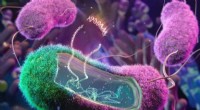
* Bacterial cell walls are made of peptidoglycan, a complex polymer of sugars and amino acids.
* Fungal cell walls are made of chitin, a tough polysaccharide.
The cell wall plays a crucial role in the survival and function of many organisms.