1. Early Observations:
* Ancient Philosophers: Observed similarities in living things, noting common characteristics like growth, reproduction, and dependence on food. These early observations laid the groundwork for later scientific exploration.
* Early Microscopists: With the invention of the microscope, scientists began to observe the cellular structure of organisms and noticed striking similarities across different life forms.
2. The Rise of Biochemistry:
* 19th Century: Chemists began to isolate and study molecules found in living organisms, leading to the discovery of fundamental metabolic processes like respiration and photosynthesis.
* Early 20th Century: Scientists like Otto Warburg and Hans Krebs elucidated key metabolic pathways (like the Krebs cycle) and demonstrated their universality across a wide range of organisms.
3. Molecular Biology Revolution:
* Mid-20th Century: The development of techniques like DNA sequencing and protein analysis revealed the incredible similarity in the genetic code and fundamental proteins across all life forms. This reinforced the idea of a shared evolutionary history and common metabolic mechanisms.
4. Comparative Genomics:
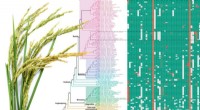
* Late 20th and 21st Century: The ability to compare entire genomes of different organisms has provided overwhelming evidence for the conservation of metabolic pathways across all domains of life (bacteria, archaea, and eukaryotes).
Key Experiments and Discoveries:
* The discovery of ATP (adenosine triphosphate) as the universal energy currency of cells.
* The identification of essential enzymes and pathways like glycolysis and the citric acid cycle, present in nearly all organisms.
* The universal genetic code: The fact that all organisms use the same genetic code to translate DNA into proteins is a cornerstone of the shared metabolic heritage.
In summary:
The understanding that all organisms share a basic metabolism is a product of centuries of scientific inquiry, combining early observations, the development of biochemical and molecular techniques, and the ongoing exploration of the intricacies of life.