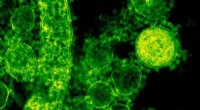
* Different Levels of Complexity: Multicellular organisms exhibit a hierarchical organization of structures, starting from individual cells and culminating in complex organ systems. Unicellular organisms, on the other hand, are self-sufficient entities. They perform all life functions within the confines of a single cell.
* Lack of Specialized Tissues: In multicellular organisms, cells specialize to form tissues, which then form organs, and so on. This specialization is crucial for the organism's function. Unicellular organisms don't have this level of specialization. A single cell is responsible for all functions, such as metabolism, reproduction, and response to stimuli.
* Alternative Organization: While they don't have the same levels as multicellular organisms, unicellular organisms still exhibit organization. Their internal structures (organelles) are highly specialized and coordinated. Think of the nucleus for DNA, mitochondria for energy production, and ribosomes for protein synthesis.
Instead of using the multicellular levels, we use terms like:
* Cellular Level: This is the basic unit of life in both unicellular and multicellular organisms.
* Organelle Level: This describes the internal structures within a single cell.
Think of it like this:
* Multicellular: Cells are like bricks, tissues like walls, organs like rooms, and the organism is the whole building.
* Unicellular: The cell is the whole building, with specialized rooms (organelles) inside.
Let me know if you have any other questions!