* Plant-like characteristics: Some protists, like algae, contain chlorophyll and can photosynthesize, just like plants.
* Animal-like characteristics: Other protists, like amoebas, are heterotrophic, meaning they obtain nutrients by consuming other organisms, just like animals.
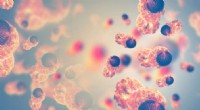
* Unique characteristics: Protists can have incredibly diverse features, from single-celled organisms to complex multicellular forms. Some have flagella or cilia for movement, while others are stationary.
Examples of Protists with Plant and Animal Characteristics:
* Euglena: These single-celled organisms have chloroplasts for photosynthesis (plant-like) but can also consume food (animal-like).
* Diatoms: These algae are photosynthetic (plant-like) and have intricate glass shells (unique).
* Amoebas: These single-celled organisms engulf food (animal-like) and have no fixed shape (unique).
Protists are not the only organisms that blur the lines between plant and animal:
* Fungi: While classified separately, fungi share some characteristics with plants (immobile, have cell walls) and some with animals (heterotrophic, lack chlorophyll).
In summary: The category of protists highlights the vast diversity of life and the difficulty in neatly categorizing all organisms into just two kingdoms.