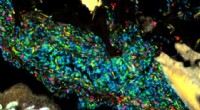
What are Organelles?
Organelles are specialized structures within cells that perform specific functions. Think of them like tiny organs within the larger cell organism. Each organelle has a unique shape and composition that allows it to carry out its specific role.
Examples of Organelles and Their Functions:
* Nucleus: The control center of the cell, containing DNA and directing the cell's activities.
* Ribosomes: Sites of protein synthesis, where amino acids are assembled into proteins.
* Endoplasmic Reticulum (ER): A network of membranes that synthesizes lipids and proteins, and transports materials within the cell.
* Golgi Apparatus: Processes and packages proteins and lipids, preparing them for export or use within the cell.
* Mitochondria: Powerhouses of the cell, responsible for cellular respiration and generating ATP (energy).
* Lysosomes: Break down waste materials and cellular debris, acting like the cell's recycling center.
* Vacuoles: Storage compartments for water, nutrients, and waste products.
* Chloroplasts (in plant cells): Sites of photosynthesis, where light energy is converted into chemical energy.
Importance of Organelles:
Organelles are essential for the survival and proper functioning of cells. They allow cells to perform complex tasks, such as:
* Producing energy
* Building and repairing cell structures
* Responding to environmental changes
* Replicating and dividing
Key Points to Remember:
* Organelles are found in both eukaryotic cells (cells with a nucleus) and prokaryotic cells (cells without a nucleus).
* The specific types and functions of organelles can vary depending on the type of cell.
* The study of organelles is crucial to understanding the complex processes of life.
Let me know if you'd like more details about any particular organelle or its function!