1. Genetic Research:
* Identifying Genes: They can isolate specific genes and study their function, structure, and role in diseases.
* Understanding Evolution: Comparing DNA sequences across species helps scientists understand evolutionary relationships.
* Genetic Engineering: Scientists can manipulate DNA to create genetically modified organisms (GMOs) with specific traits.
* Gene Therapy: In some cases, scientists can use DNA to treat genetic diseases by replacing faulty genes.
2. Forensics:
* Criminal Investigations: DNA can be used to identify suspects or victims in crimes.
* Paternity Testing: DNA testing can establish biological parentage.
* Identifying Remains: DNA can help identify bodies in mass disasters or missing persons cases.
3. Medicine:
* Diagnosis: DNA tests can be used to diagnose genetic disorders.
* Personalized Medicine: DNA analysis helps doctors tailor treatment plans based on individual genetic makeup.
* Drug Development: DNA can help scientists develop new drugs and therapies.
4. Agriculture:
* Crop Improvement: Scientists use DNA to create crops with improved yield, disease resistance, and nutritional content.
* Animal Breeding: DNA analysis helps breeders select animals with desirable traits.
5. Anthropology and Archaeology:
* Tracing Human History: DNA can help researchers trace human migration patterns and understand human ancestry.
* Ancient DNA Analysis: Scientists can study DNA from ancient remains to learn about past populations.
6. Environmental Science:
* Species Identification: DNA analysis helps scientists identify different species and track biodiversity.
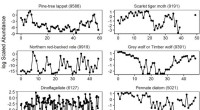
* Ecological Studies: DNA can be used to study population dynamics and ecosystem health.
This is just a brief overview, and the field of DNA research is constantly expanding.