* Cell Junctions: Animal cells have specialized structures called cell junctions that connect them. These junctions help maintain the integrity of tissues and organs by:
* Adherens junctions: Provide strong adhesion between cells.
* Desmosomes: Also provide strong adhesion, but are more complex and often found in tissues that experience stretching.
* Tight junctions: Prevent leakage between cells, important in tissues like the lining of the digestive tract.
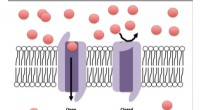
* Gap junctions: Allow for communication between cells through the passage of small molecules.
* Extracellular Matrix (ECM): Animal cells are embedded in a complex network of proteins and carbohydrates called the extracellular matrix. The ECM provides structural support and helps cells bind together.
Exceptions: While most animal cells are attached, there are exceptions:
* Blood cells: These cells circulate freely in the bloodstream and are not typically attached to other cells.
* Some specialized cells: Certain cells like sperm cells are designed to move freely and are not attached.
Overall: The ability of animal cells to attach to one another is crucial for the formation and function of tissues and organs.