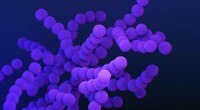
1. Organization: Bacteria are made up of cells, the basic unit of life. They have a distinct cellular structure with a cell membrane, cytoplasm, ribosomes, and DNA.
2. Metabolism: Bacteria carry out chemical reactions to obtain energy and build essential molecules. They can break down food sources and release energy through processes like respiration and fermentation.
3. Growth: Bacteria grow in size and increase in number by dividing through a process called binary fission.
4. Reproduction: Bacteria reproduce asexually, creating new offspring identical to themselves.
5. Response to stimuli: Bacteria can sense changes in their environment and respond accordingly. For example, they may move towards food or away from harmful substances.
6. Adaptation: Bacteria can evolve over time, developing new traits that allow them to survive in changing environments. This occurs through mutations and natural selection.
7. Homeostasis: Bacteria maintain a stable internal environment, despite fluctuations in external conditions. They regulate their internal temperature, pH, and other factors.
8. Heredity: Bacteria pass on their genetic information to their offspring, ensuring the continuity of life.
It's important to note that while bacteria are classified as living organisms, they are prokaryotic cells, meaning they lack a nucleus and other membrane-bound organelles found in eukaryotic cells (such as those in animals and plants). This distinction reflects their evolutionary history and unique cellular structure.
In conclusion, bacteria fulfill all the criteria of living organisms, making them a vital part of Earth's ecosystems and contributing to the balance of life.