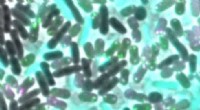
1. Heterotrophic Bacteria: These bacteria obtain their food from organic sources, meaning they require pre-made organic molecules for energy and growth. They can be further classified into:
* Saprophytes: These bacteria decompose dead organic matter, such as decaying plants and animals, obtaining nutrients from the breakdown of complex molecules.
* Parasites: These bacteria live on or within other living organisms (hosts), obtaining nutrients from their host, often causing harm.
* Mutualists: These bacteria live in a symbiotic relationship with another organism, where both benefit. For example, bacteria in the human gut aid in digestion and receive nutrients in return.
* Commensalists: These bacteria live on or within another organism, benefiting from the relationship without harming or benefiting the host.
2. Autotrophic Bacteria: These bacteria are able to make their own food, meaning they can synthesize organic molecules from inorganic sources. They can be further classified into:
* Photoautotrophs: These bacteria use sunlight as their energy source and convert carbon dioxide into organic compounds through photosynthesis. Examples include cyanobacteria (blue-green algae).
* Chemoautotrophs: These bacteria obtain their energy from the oxidation of inorganic molecules like hydrogen sulfide, ammonia, or ferrous iron. This process is known as chemosynthesis. These bacteria often live in extreme environments like hydrothermal vents or deep-sea sediments.
In summary, bacteria acquire food through the following mechanisms:
* Decomposing organic matter (saprophytes)
* Parasitic relationships with other organisms
* Mutualistic relationships with other organisms
* Commensalism
* Photosynthesis (photoautotrophs)
* Chemosynthesis (chemoautotrophs)
The specific method a particular bacterium utilizes depends on its genetic makeup and the environmental conditions it finds itself in.