Methods for Obtaining Single-Cell Clones
1. Dilution Cloning (Limited Dilution)
- Principle: Diluting the cell suspension to a low enough concentration that individual cells are separated and plated into individual wells or spots.
- Procedure:
- 1. Preparation: Determine the approximate cell concentration of your culture using a hemocytometer or cell counter.
- 2. Dilution: Calculate the dilution factor needed to achieve a desired cell density (e.g., 1 cell per well). Dilute your cell suspension accordingly.
- 3. Plating: Plate the diluted cells into a multi-well plate (96-well, 24-well, etc.) or on a petri dish.
- 4. Incubation: Allow the cells to grow and form colonies.
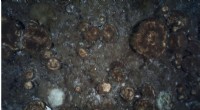
- 5. Selection: Identify wells or areas with single colonies (one cell gave rise to the entire colony).
2. Micromanipulation (Microscopic Selection)
- Principle: Using a microscope and a micromanipulator to physically pick up a single cell and transfer it to a new growth medium.
- Procedure:
- 1. Preparation: Use a microscope with a micromanipulator.
- 2. Cell Selection: Identify a single cell of interest under the microscope.
- 3. Isolation: Carefully use the micromanipulator to pick up the cell.
- 4. Transfer: Transfer the cell to a new growth medium (e.g., a small culture dish or a microtube).
- 5. Incubation: Allow the cell to grow into a colony.
3. Flow Cytometry-Based Sorting
- Principle: Using a flow cytometer to sort cells based on specific characteristics (e.g., size, fluorescence).
- Procedure:
- 1. Labeling: If necessary, label cells with fluorescent markers to differentiate them from others.
- 2. Sorting: Run the cell suspension through the flow cytometer. The instrument analyzes and separates cells based on the specified parameters.
- 3. Collection: Collect cells of interest into a new growth medium.
- 4. Incubation: Allow the cells to grow into colonies.
Considerations for Single-Cell Cloning
* Cell Type: Different cell types have different growth characteristics. Some are more sensitive to isolation than others.
* Growth Medium: The choice of culture medium is critical for supporting single-cell growth.
* Clone Purity: Ensure that the selected colonies originate from a single cell.
* Time: Cloning can take time, as single cells need to multiply into a colony.
* Applications:
- Cell Line Development: Creating pure cell lines with specific properties.
- Drug Screening: Testing drug effects on individual cells.
- Genetic Research: Studying gene expression and mutations at the single-cell level.
Let me know if you'd like more details on any of these methods or have questions about specific applications!