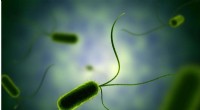
1. Cell: The fundamental unit of life. Examples include muscle cells, nerve cells, blood cells.
2. Tissue: A group of similar cells that work together to perform a specific function. Examples include:
* Epithelial tissue: Covers surfaces, lines cavities, forms glands.
* Connective tissue: Supports, connects, and protects other tissues (e.g., bone, cartilage, blood).
* Muscle tissue: Enables movement (e.g., skeletal, smooth, cardiac).
* Nervous tissue: Transmits electrical signals (e.g., brain, spinal cord, nerves).
3. Organ: A structure composed of two or more tissues that work together to perform a specific function. Examples include:
* Heart: Pumps blood throughout the body.
* Lungs: Exchange gases (oxygen and carbon dioxide).
* Stomach: Digests food.
* Brain: Controls thoughts, emotions, and bodily functions.
4. Organ System: A group of organs that work together to perform a major bodily function. Examples include:
* Circulatory system: Transports blood, oxygen, and nutrients.
* Digestive system: Breaks down food and absorbs nutrients.
* Respiratory system: Enables breathing and gas exchange.
* Nervous system: Controls and coordinates bodily functions.
5. Organism: A complete living being composed of multiple organ systems that work together to sustain life. This is the highest level of organization in a human.
It's important to remember that these levels are interconnected and interdependent. A change at one level can have ripple effects on the others. For instance, a damaged cell can affect the function of the tissue it belongs to, which can in turn affect the organ and ultimately the organism as a whole.