The Basic Components:
* Plasma Membrane: This is the outer boundary of the cell, acting like a gatekeeper controlling what enters and leaves. It's made of a phospholipid bilayer with embedded proteins.
* Cytoplasm: This is the gel-like substance that fills the cell, where many of the cell's processes occur. It's composed mainly of water, but also contains dissolved salts, sugars, and other molecules.
* Cytoskeleton: A network of protein fibers that provides structural support, helps the cell maintain its shape, and facilitates movement.
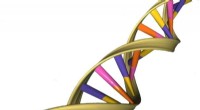
* DNA (Deoxyribonucleic acid): The cell's genetic material, containing instructions for building and maintaining the cell. In eukaryotic cells, DNA is found within the nucleus, while in prokaryotic cells, it's located in the cytoplasm.
* Ribosomes: Tiny structures responsible for protein synthesis, translating the genetic code from DNA into proteins.
Organelles (Specialized Structures):
Eukaryotic Cells (Animal and Plant Cells):
* Nucleus: The control center of the cell, containing the DNA and regulating cellular activities.
* Nucleolus: A dense region within the nucleus where ribosomes are assembled.
* Endoplasmic Reticulum (ER): A network of interconnected membranes that plays a role in protein synthesis, lipid metabolism, and detoxification.
* Golgi Apparatus: Processes and packages proteins and lipids for delivery to other parts of the cell or for secretion outside the cell.
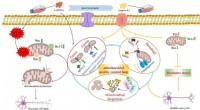
* Mitochondria: The "powerhouses" of the cell, responsible for cellular respiration, which generates energy (ATP) from food.
* Lysosomes: Sacs containing digestive enzymes that break down waste materials and cellular debris.
* Peroxisomes: Small organelles that break down fatty acids and produce hydrogen peroxide.
* Vacuoles: Storage compartments for water, nutrients, and waste products. They are much larger in plant cells than in animal cells.
* Chloroplasts (Plants Only): Organelles responsible for photosynthesis, converting sunlight into energy.
Prokaryotic Cells (Bacteria and Archaea):
* Cell Wall: A rigid outer layer that provides structural support and protection.
* Flagella: Tail-like structures that help the cell move.
* Pili: Hair-like structures that help the cell attach to surfaces and exchange genetic material.
Note: Not all cells contain all of these structures. For example, red blood cells lack a nucleus, while some cells may have more or less of a particular organelle depending on their function.
This is just a brief overview. There's a lot more to learn about the fascinating world of cells!