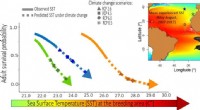
* Water temperature: Different species have different temperature tolerances. Warmer waters support a wider variety of species than colder waters.
* Water salinity: Freshwater, brackish, and saltwater ecosystems each support different types of flora and fauna.
* Water depth and light penetration: Light availability decreases with depth, limiting the types of plants and algae that can survive.
* Water flow: Still water vs. flowing water environments support different types of organisms.
* Nutrient availability: The abundance of nutrients like nitrates and phosphates influences the growth of plants and algae, which in turn affects the food web.
* Dissolved oxygen levels: Oxygen levels are crucial for the survival of aquatic organisms.
* Substrate type: The type of bottom material (sand, mud, rock) influences the types of organisms that can live there.
Biotic factors, which are living components of the environment, also play a role, but to a lesser extent than abiotic factors in determining the overall types of flora and fauna:
* Competition: Different species compete for resources, influencing their distribution and abundance.
* Predation: Predators shape the prey community.
* Symbiosis: Mutualistic relationships can influence the success of certain species.
In summary, while biotic interactions are important, the abiotic factors of an aquatic ecosystem are the primary determinants of the flora and fauna that thrive within it.