1. Enzymes:
* Nucleases: These enzymes break down DNA. There are two main types:
* DNases: Specifically degrade DNA.
* RNases: Degrade RNA, but can also cleave DNA under certain conditions.
* Proteases: These enzymes break down proteins, which can bind to DNA and make it difficult to isolate.
2. Polymers:
* Polysaccharides: These carbohydrates can form sticky gels that trap DNA. Examples include glycogen in animal cells and starch in plant cells.
* Proteins: As mentioned, proteins can bind to DNA and hinder its extraction.
* Lipids: Fats and oils can interfere with DNA precipitation and make it difficult to remove from the solution.
3. Other Cellular Components:
* Cellulose and lignin: These are structural components of plant cell walls and can be difficult to remove, hindering DNA isolation.
* Secondary metabolites: These compounds can be produced by plants and animals and interfere with DNA extraction. Examples include tannins, alkaloids, and pigments.
* Salts: High concentrations of salts can disrupt DNA precipitation and hinder its purification.
4. Contamination:
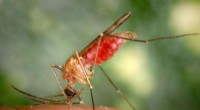
* Microbial DNA: DNA from bacteria, fungi, or other microorganisms can contaminate samples.
* Environmental DNA: DNA from sources like soil, water, or air can also contaminate samples.
To address these challenges, DNA extraction protocols often include steps that:
* Lyse cells: To break open the cell membrane and release DNA.
* Inactivate enzymes: Through heat treatment, chemical inhibitors, or mechanical disruption.
* Remove interfering substances: Through filtration, precipitation, or other methods.
* Purify DNA: Using techniques like ethanol precipitation or column chromatography.
It's important to consider the specific type of cell and the intended application when choosing an appropriate DNA extraction method.