Here's a breakdown of what biotic means:
* Bio: This part of the word comes from the Greek word "bios" meaning "life."
* -ic: This suffix indicates "relating to" or "characteristic of."
So, biotic literally means "relating to life" or "characteristic of living organisms."
Here are some examples of biotic factors:
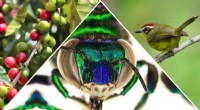
* Plants: Trees, grasses, flowers, etc.
* Animals: Mammals, birds, fish, insects, etc.
* Fungi: Mushrooms, molds, yeasts, etc.
* Bacteria: Microscopic organisms found in soil, water, and the air.
* Microorganisms: Viruses, protozoa, etc.
In contrast to biotic factors, abiotic factors are the non-living components of an environment, such as temperature, sunlight, water, and soil.
Understanding the interaction between biotic and abiotic factors is crucial to studying ecology and understanding how ecosystems function.