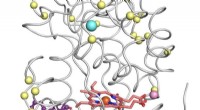
The Basic Nature of Amino Acids
1. Building Blocks of Proteins: Amino acids are the monomers (single units) that combine to form proteins. Think of them like the individual Lego bricks that create a complex structure.
2. Structure: Every amino acid has a central carbon atom (the alpha carbon) connected to:
* An amino group (NH2): This group is basic and can accept protons (H+).
* A carboxyl group (COOH): This group is acidic and can donate protons (H+).
* A hydrogen atom (H): This is a simple hydrogen atom.
* A side chain (R group): This is the variable part of the amino acid, and it's what gives each amino acid its unique properties.
3. Diversity: There are 20 standard amino acids found in proteins, each with a different R group. This diversity allows for an incredible range of protein structures and functions.
4. Chirality: Most amino acids are chiral, meaning they have a mirror-image form (L and D enantiomers). Life primarily uses L-amino acids.
5. Peptide Bond Formation: Amino acids link together to form proteins through peptide bonds. This involves a dehydration reaction (removal of water) between the carboxyl group of one amino acid and the amino group of another.
Beyond the Basics:
* Importance in Biology: Amino acids are essential for almost every biological process, from cell structure to enzyme function to immune responses.
* Essential vs. Non-essential: Our bodies can synthesize some amino acids, but others (essential amino acids) must be obtained from our diet.
* pH-dependent Properties: The amino and carboxyl groups of amino acids can be protonated or deprotonated depending on the pH of their environment. This impacts their charge and how they interact with other molecules.
In summary, the "basis nature" of amino acids lies in their ability to:
* Form peptide bonds to create diverse proteins.
* Have unique properties due to their R groups.
* Participate in a vast array of biological functions.
Let me know if you have any more specific questions about amino acids.