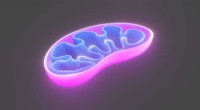
* Outer Membrane: The lysosome is enclosed by a single membrane, similar to other organelles like the Golgi apparatus and endoplasmic reticulum. This membrane is composed of a phospholipid bilayer, just like the cell membrane.
* Internal Environment: The interior of the lysosome is filled with a highly acidic fluid (pH around 5). This acidic environment is crucial for the activity of the enzymes inside.
* Hydrolytic Enzymes: The key component of lysosomes is a collection of around 60 different hydrolytic enzymes. These enzymes are capable of breaking down a wide variety of molecules, including:
* Proteins (by proteases)
* Carbohydrates (by glycosidases)
* Lipids (by lipases)
* Nucleic acids (by nucleases)
Important Note: The lysosome's membrane protects the rest of the cell from the destructive power of these enzymes. If the membrane were to rupture, the enzymes would be released and could damage the cell.
Here's a simplified analogy: Imagine a lysosome as a garbage disposal in your kitchen. The disposal has a strong, protective casing (the membrane) that contains powerful blades (the enzymes). The garbage (waste materials) goes into the disposal, and the blades break it down into smaller, more manageable pieces.