Here's a breakdown:
Prokaryotes:
* Simple structure: Lack a true nucleus and other membrane-bound organelles. Their DNA is located in a region called the nucleoid, but it's not enclosed within a membrane.
* Smaller in size: Typically much smaller than eukaryotes.
* Single-celled: All prokaryotes are single-celled organisms (unicellular).
* Examples: Bacteria and archaea.
Eukaryotes:
* Complex structure: Possess a true nucleus that encloses their DNA, as well as other membrane-bound organelles like mitochondria, chloroplasts (in plants), and the endoplasmic reticulum.
* Larger in size: Generally much larger than prokaryotes.
* Unicellular or multicellular: Can be single-celled organisms (like amoebas) or multicellular organisms (like plants, animals, and fungi).
* Examples: Plants, animals, fungi, and protists.
Key Differences:
| Feature | Prokaryotes | Eukaryotes |
|----------------|-------------|--------------|
| Nucleus | Absent | Present |
| Organelles | Absent | Present |
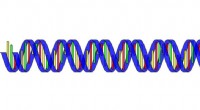
| DNA Structure | Circular | Linear |
| Cell Size | Small | Large |
| Complexity | Simple | Complex |
| Examples | Bacteria, Archaea | Plants, Animals, Fungi, Protists |
Understanding the distinction between prokaryotes and eukaryotes is crucial for comprehending the diversity of life on Earth and the fundamental differences in their cellular organization.