While there isn't a single, definitive characteristic that defines life, scientists generally agree on several key requirements. Here's a breakdown:
1. Cellular Organization:
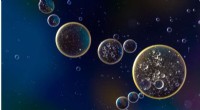
* All living organisms are made up of one or more cells. The cell is the fundamental unit of life, containing all the necessary components for carrying out life processes.
2. Metabolism:
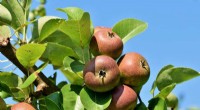
* Living organisms must take in energy and matter from their environment and transform them for growth, maintenance, and reproduction. This includes processes like photosynthesis, respiration, and digestion.
* They also release waste products.
3. Homeostasis:
* Living organisms maintain a stable internal environment despite external changes. This involves regulating temperature, pH, water content, and other factors essential for survival.
4. Growth and Development:
* Living organisms increase in size and complexity over time. This can involve cell division, differentiation, and specialization.
5. Reproduction:
* Living organisms produce offspring that inherit their characteristics. This can be through sexual or asexual reproduction.
6. Response to Stimuli:
* Living organisms react to changes in their environment. This can include movement, changes in behavior, or physiological responses.
7. Adaptation and Evolution:
* Over generations, living organisms change to better suit their environment. This process of adaptation is driven by natural selection, leading to evolution over time.
It's important to note:
* This is not a rigid list, and there are exceptions to each requirement. Some viruses, for example, can reproduce but don't meet other criteria.
* The study of life is complex, and the definition of "living organism" continues to evolve with our understanding of biology.
The more features an entity exhibits from this list, the more likely it is considered to be alive. However, this is a nuanced topic with ongoing research and debate.