* Plasma membrane: This is the outer boundary of the cell, controlling what enters and exits.
* Cytoplasm: This is the jelly-like substance that fills the cell and contains the organelles.
* Ribosomes: These are responsible for protein synthesis.
* Endoplasmic reticulum (ER): This network of membranes helps in the synthesis and transport of molecules.
* Golgi apparatus: This organelle modifies, sorts, and packages proteins and lipids.
* Mitochondria: These are the powerhouses of the cell, responsible for cellular respiration and energy production.
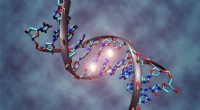
* Nucleus: This contains the cell's genetic material (DNA).
* Lysosomes: These are responsible for breaking down waste products and cellular debris.
In addition to these, both plant and animal cells have cytosol, the fluid component of the cytoplasm.
It's important to note that while both cell types have these organelles in common, they may have different functions or appearances. For example, animal cells have centrioles, which are involved in cell division, while plant cells do not.